Finding Structure Through Photo Prompts
I am trained to look for problems. This is where photography surprised me.
I work in risk management. Most of my day is spent scanning for what might go wrong before it actually does. I read reports carefully. I double check assumptions. I notice patterns other people miss because missing them can be expensive. Over time, that way of thinking settled into everything else I did. Even outside of work, I was always evaluating. Is this worth it. Is this necessary. Is this a good use of time.
Creativity always felt indulgent to me. Not bad, exactly, but optional in a way I never felt comfortable with. I admired people who painted or wrote or carried cameras everywhere, but I assumed they had a kind of permission I did not. I liked structure. I liked tasks that had edges. Open ended activities made me uneasy because there was no clear way to know if I was doing them right.
Photography entered my life quietly. I did not set out to become a photographer. I just wanted a reason to step outside after work that did not involve running errands or staring at my phone. At first, I took pictures the way most people do. I photographed things that were already obvious. Flowers. Sunsets. Buildings I passed every day. It felt pleasant but unfocused, like doodling in the margins of a notebook.
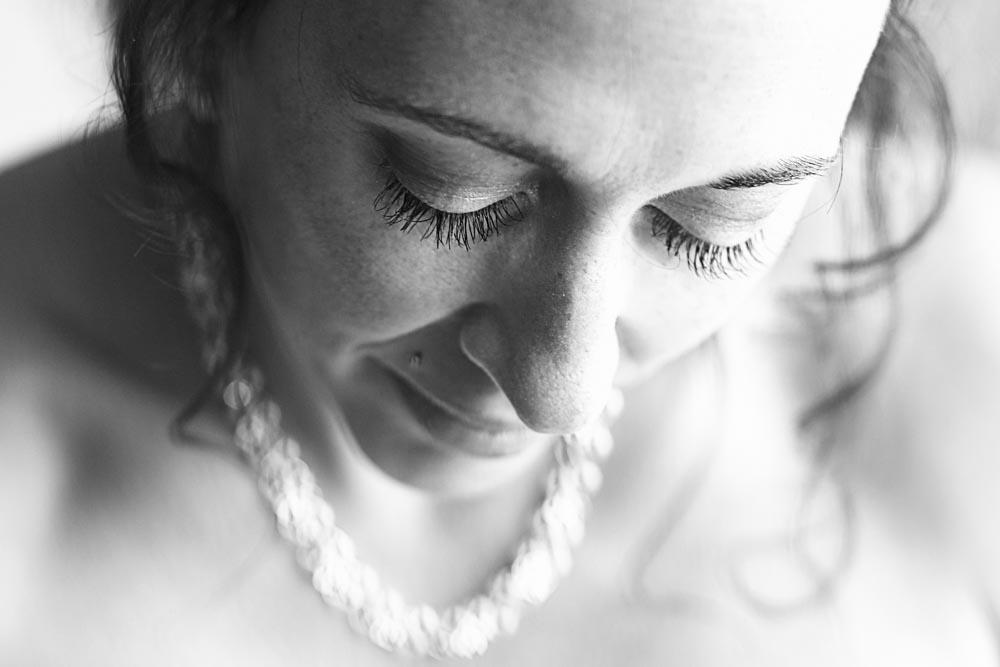
What changed things for me was discovering photo prompts. I remember the exact moment because it felt oddly practical. A prompt gave me a reason to leave the house with intention instead of habit. It was not asking me to be inspired. It was asking me to look for something specific. A shadow. A gesture. A quiet interaction between two people. That felt manageable.
I started using prompts the way I used checklists at work. Not as rules, but as anchors. When I went out with a prompt in mind, I stopped wandering aimlessly. I noticed details I normally dismissed as irrelevant. The way light pooled near a doorway. The angle of someone’s shoulders when they were waiting for a bus. The small expressions people make when they think no one is watching.
At some point, while looking for new ideas to work with, I spent time browsing a page that focused on photo prompts. What helped me was how clear everything was laid out. I was already planning to go out that afternoon, and seeing a few structured ideas made the next step easier. I did not overthink it. I picked one, grabbed my camera, and left the apartment.
That afternoon, I took fewer photos than usual, but each one felt deliberate. I was not trying to make something impressive. I was trying to be honest about what I saw. I noticed when I hesitated before pressing the shutter and when I did not. That hesitation told me more than the image itself. It showed me where I was still judging myself.
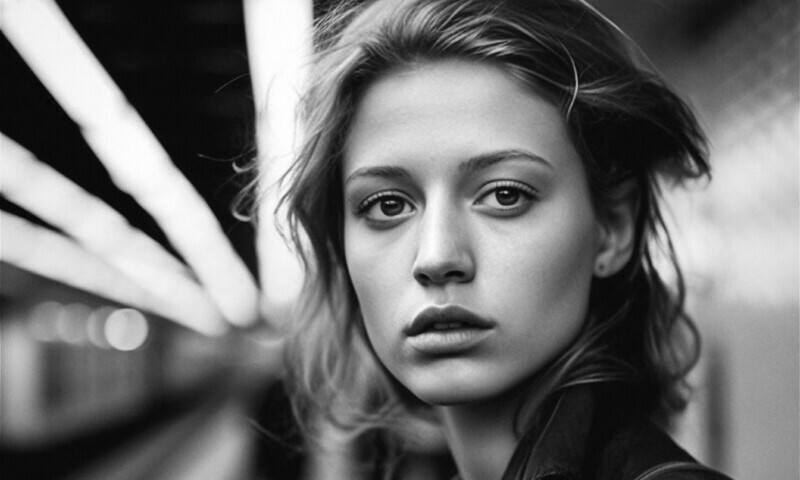
Over time, something unexpected happened. I stopped worrying about whether a photo was good. I started asking a different question instead. Was it honest. Did it reflect what I actually noticed, not what I thought I should notice. That shift felt small, but it stayed with me. Photography became less about output and more about attention.
I still approach photography the way I approach most things, carefully and without rushing. I do not chase trends. I do not feel the need to post everything I shoot. Prompts did not turn me into a different person. They just gave me a structure that fit the way my mind already works. They gave me permission to practice noticing without pressure.
I did not talk about photography with many people at first. It felt personal in a way I was not ready to explain. At work, everything I do has to be justified. If I recommend a change, I need to show the reasoning. If I flag a risk, I need to support it. Photography did not ask for any of that. It did not demand a memo or a conclusion. It just asked me to notice what was already there.
There were days when I did not feel like going out at all. On those days, the prompt mattered more than the camera. It gave me a reason to put on shoes and step outside without negotiating with myself. I was not chasing a feeling. I was completing a small assignment I had already agreed to. That framing made it easier to begin.
I started to recognize patterns in how I see. I noticed that I gravitated toward people who looked slightly distracted, as if they were between tasks. I noticed how often I avoided eye contact, even when holding a camera. Prompts did not fix these habits, but they revealed them. Once I saw them, I could decide what to do next.
Sometimes I ignored the prompt entirely once I was outside. That surprised me at first. I thought I was doing it wrong. But over time, I realized that the prompt had already done its job. It had gotten me into a state of attention. What I photographed after that felt less important than how I was looking.
I also learned that I do not enjoy photographing everything. I like limits. I like knowing that I am looking for one kind of thing instead of everything at once. Prompts narrowed my field of vision in a way that felt calming. They filtered out the noise I usually carry around in my head.
I did not tell anyone at work that I had started taking photographs. It felt unnecessary to explain. My job already requires enough justification, and this was not something I wanted to defend or frame as productive. It was just something I did after hours, usually alone, usually without a clear goal beyond paying attention.
At first, I treated photography the same way I treat new routines. I was careful not to overcommit. I told myself I would go out only when it felt easy. That rule sounded kind, but it quickly became a reason to stay inside. Easy days are not as common as they sound.
What helped was removing the decision making from the equation. I noticed how much energy I spent negotiating with myself before leaving the house. Was it worth it. Did I have enough time. Would I come back with anything usable. That back and forth was familiar and exhausting.
Once I started going out with photo prompts in mind, that negotiation softened. I was no longer asking whether I felt inspired. I was responding to a small, concrete idea. That shift felt practical, not creative. It appealed to the part of me that likes clear parameters.
I began to recognize how often I confuse openness with freedom. Too many options made me freeze. A narrow focus gave me room to move. When I knew what kind of thing I was looking for, I noticed it more easily. I also noticed everything around it.
There were afternoons when the prompt stayed in the background, almost forgotten, but it still shaped how I looked. I paid attention to gestures instead of scenery. I lingered near doorways and bus stops. I noticed pauses between actions, not just the actions themselves.
I stopped walking quickly. That surprised me. I am usually efficient with movement, crossing streets decisively, choosing the shortest route. Photography changed that. I found myself standing still more often, waiting without feeling impatient.
I also noticed how uncomfortable it felt at first to wait without a phone in my hand. I was used to filling empty moments with information. Holding a camera gave my hands something to do without pulling my attention away. It anchored me in the present.
Some days I came home with nothing I wanted to keep. I still counted those days as successful. I had shown up. I had looked carefully. That felt like enough.
Over time, I realized that what I liked most was not the images themselves, but the way the practice changed my awareness. I noticed how light moved across familiar streets. I noticed how people occupied space differently depending on where they were going.
Photography also made me aware of how often I rush to evaluate things. I am trained to assess, rank, and flag issues quickly. With a camera, I learned to wait a few seconds longer before deciding. That pause changed everything.
I stopped trying to predict outcomes. I did not ask whether a moment would result in a good image. I asked whether it was worth noticing. That question felt lighter and more honest.
There was a quiet satisfaction in completing an outing without needing proof of success. I did not need to explain it to anyone, including myself. The experience stood on its own.
That shift carried into other parts of my life. I became less impatient with uncertainty. I allowed things to unfold without rushing to categorize them. Photography did not teach me this directly. It simply gave me a space to practice.
Looking back, I see that structure was the entry point, but attention was the real reward. Once I stopped demanding outcomes, the practice settled into something sustainable. Something I could return to without pressure.
After a few weeks, I started to notice changes that were easy to miss if I was not paying attention. My days felt less compressed. I still worked the same hours. I still followed the same routines. But the time between things no longer disappeared as quickly.
I began to notice transitions more clearly. Leaving the office. Getting into the car. Walking from one block to the next. These moments used to blur together. Now they felt distinct, as if each one had its own weight.
Photography did not make me feel energized. It made me feel settled. That distinction mattered. I was not chasing momentum. I was finding balance.
There were evenings when I stayed close to home and walked familiar streets. I thought I knew every corner, but the camera proved me wrong. Small details surfaced. Reflections in windows. Hands resting on railings. The way people leaned when they waited.
I noticed that I was drawn to people who were not performing. People adjusting their coats. People looking away. Moments that felt unguarded stayed with me longer than anything dramatic.
I stopped worrying about whether I was intruding. I kept my distance. I waited. If the moment passed, I let it go. That restraint felt respectful and calming.
On some days, I reviewed photos before bed. I did not analyze them. I just looked. I noticed what I remembered and what I did not. That process told me more than any technical evaluation.
I also noticed how much patience this practice required. Not the forced kind, but the kind that comes from accepting uncertainty. You cannot rush attention. You can only allow space for it.
At some point, I realized I was no longer thinking about improvement. I was thinking about consistency. Could I keep showing up. Could I stay curious. Those questions felt more realistic.
There was one afternoon when I almost stayed inside. The weather was dull. I felt tired. Nothing felt particularly inviting. I went out anyway, guided loosely by photo prompts, and ended up spending half an hour watching people cross the same intersection. I took one picture. It was enough.
That outing changed how I define success. It was no longer about quantity or outcome. It was about presence. About whether I had paid attention without rushing.
Photography also softened how I reacted to mistakes. When I missed a moment, I did not spiral. I accepted it as part of the process. Missing did not mean failing.
I started to trust my instincts more. If something caught my eye, I stayed with it. I did not need to explain why. That trust extended into other decisions, small but meaningful ones.
There was comfort in knowing that this practice did not depend on talent. It depended on honesty. On being willing to look without judgment.
I think that is why it stayed with me. Photography did not ask me to change who I was. It met me where I already was and gave me a way to pay attention from there.
By the middle of the season, photography no longer felt new, but it also did not feel routine. It occupied a middle space that I did not have a name for. It was familiar without being automatic. That balance kept me engaged.
I noticed that my tolerance for noise had changed. Loud spaces felt more draining than they used to. Quiet ones felt more restorative. Photography had tuned me in to those differences without making them feel like problems to solve.
I became more selective about where I spent time. Not in a dramatic way. Just small choices. Choosing a side street instead of a main road. Standing near a doorway instead of the center of a room. Those choices made it easier to notice subtle moments.
I also noticed how often I used to fill silence. Waiting felt uncomfortable. Photography gave me permission to let moments stretch without forcing conversation or distraction.
There were days when I walked for a long time without taking a single picture. I did not feel disappointed by that. I had learned that the act of noticing was doing the work, even if nothing came of it.
I found myself paying closer attention to light than I ever had before. Not in a technical way. In a practical one. How it softened faces. How it flattened spaces. How it disappeared quickly if I was not paying attention.
Sometimes I stood still longer than felt socially acceptable. I learned to be comfortable with that. Most people are too focused on their own lives to notice someone waiting quietly.
Photography also made me aware of how much pressure I used to put on myself to be decisive. With a camera, I could wait. I could observe. I did not need to act immediately.
One afternoon, I realized I had started leaving the house with intention instead of expectation. I was not hoping for anything specific. I was simply open to noticing what was already there.
That shift carried over into how I approached other parts of my life. I stopped forcing conclusions. I allowed projects to remain unfinished without guilt.
When I felt scattered, returning to photo prompts helped narrow my focus. They did not tell me what to see. They reminded me how to look.
I appreciated how contained the practice felt. I did not need special equipment or long stretches of time. I could step outside, pay attention, and return home without disruption.
Photography did not compete with the rest of my life. It fit around it. That fit mattered.
I also noticed how rarely I felt bored anymore. Moments that used to feel empty now felt open. That openness changed how I moved through my days.
The practice gave me something steady. Not excitement, not escape, but balance. For someone used to anticipating problems, that steadiness felt valuable.
There were weeks when my schedule tightened and everything felt compressed again. Deadlines stacked. Meetings ran long. Evenings felt shorter than they should have been. During those stretches, photography shifted from something I planned to something I relied on.
I noticed that I carried tension differently when I skipped it. My shoulders stayed tight. My thoughts looped longer than usual. Going outside with a camera did not erase those things, but it loosened them enough for me to breathe.
I stopped thinking of photography as a break and started thinking of it as a reset. Not a dramatic one. Just a small recalibration that brought me back into my body and out of my head.
I became more aware of how I move through space when I am stressed. I walk faster. I avoid eye contact. I narrow my focus. With a camera in hand, those habits softened. I slowed without forcing it.
There were nights when I walked the same block several times, noticing different details each pass. A window lit up. A curtain moved. Someone stepped out to make a call. Familiar places revealed layers I had not noticed before.
I realized that attention is not passive. It takes effort to stay present without directing the moment. Photography gave me a reason to practice that effort without framing it as work.
I also noticed how often I had mistaken efficiency for effectiveness. Moving quickly does not always lead to clarity. Waiting can be more informative.
At one point, I caught myself planning an outing around photo prompts even before my workday ended. Not because I needed structure, but because it helped me transition. It marked the end of one mode of thinking and the beginning of another.
That transition mattered. It created separation between work and the rest of my life without rigid boundaries. I did not need a ritual. I just needed a shift in attention.
I started paying attention to sounds as much as visuals. Footsteps. Traffic patterns. Voices drifting through open windows. Those sounds grounded me in place.
There were moments when I did not lift the camera at all. I still counted those moments. The act of noticing had become the goal.
I felt less pressure to produce anything meaningful. The value was in the experience itself. That realization removed a layer of stress I had not known was there.
I noticed that I recovered from difficult days more quickly. Photography did not fix problems. It changed how long I carried them.
This practice did not demand consistency. It invited it. That invitation felt easier to accept.
I began to trust that attention, practiced regularly, has its own momentum. It does not need to be forced. It builds quietly.
As this practice settled fully into my routine, I stopped expecting it to lead anywhere specific. That expectation had been quietly shaping how I approached many things. Photography gave me a chance to let go of outcomes without feeling careless.
I noticed how often I used to rush endings. Finishing tasks quickly felt efficient, but it also felt abrupt. With photography, I allowed moments to conclude on their own. I stayed a few seconds longer. I let scenes empty out instead of leaving early.
There were evenings when I walked without a destination. That was new for me. I am usually purposeful about movement. Wandering felt unproductive at first, then freeing. It allowed attention to move without direction.
I also noticed how much my tolerance for uncertainty had grown. Not knowing what I would see no longer made me uneasy. It made me curious. That shift felt subtle but important.
Photography helped me accept that not everything needs to be understood immediately. Some moments only make sense later, if at all. Letting them exist without explanation felt surprisingly comfortable.
I began to trust the quiet signals in my body. When something caught my attention, I paused. When it passed, I moved on. That rhythm felt natural and sustainable.
There were times when I reviewed older images and remembered how tentative I felt taking them. That tentativeness no longer bothered me. It felt honest. It marked where I was at the time.
I stopped worrying about whether this practice was creative enough or serious enough. Those labels no longer mattered. What mattered was how it shaped my days.
When life felt busy or noisy, returning to photo prompts reminded me that attention can be practiced gently. I did not need to push myself. I just needed to look.
I noticed how rarely I felt disconnected anymore. Even ordinary days carried texture. Small details anchored me in the present.
Photography did not change my personality. It did not make me more spontaneous or expressive. It made me steadier. It gave me a way to engage with the world without trying to control it.
I think that is why this practice lasted. It did not demand transformation. It fit alongside who I already was.
I still look for problems at work. I still plan carefully. But now I also notice light on pavement, people pausing between tasks, and moments that exist only briefly. Those details feel like part of the same life, not a separate one.
That balance matters to me. It feels honest. It feels sustainable. And it reminds me that attention, practiced quietly, can change how a day feels without changing anything else.